Transformative Furniture Design: Blending Art and Functionality
- Alyazia Alblooshi
- Aug 29, 2025
- 4 min read

Furniture design has evolved significantly over the years. It is no longer just about creating pieces that serve a purpose. Today, furniture is a blend of art and functionality. Designers are pushing boundaries, creating pieces that are not only useful but also visually stunning. This transformation is reshaping our living spaces and how we interact with them.
In this blog post, we will explore the fascinating world of transformative furniture design. We will look at how art and functionality come together, the impact of innovative materials, and some inspiring examples of furniture that truly embodies this blend.
The Evolution of Furniture Design
Furniture design has a rich history. From the ornate pieces of the Renaissance to the minimalist designs of the modern era, each period reflects the values and aesthetics of its time.
In the past, furniture was often seen as a status symbol. It was crafted from expensive materials and adorned with intricate details. However, as society changed, so did the approach to furniture design.
Today, the focus is on creating pieces that are both beautiful and practical. Designers are now considering how furniture can enhance our lives, not just fill a space. This shift has led to the rise of transformative furniture design.
The Intersection of Art and Functionality
Transformative furniture design lies at the intersection of art and functionality. It challenges the traditional notion of what furniture should be.
Art as Inspiration
Many designers draw inspiration from various art forms. They incorporate elements of sculpture, painting, and even architecture into their work. This artistic approach allows for unique designs that stand out in any space.
For example, consider a coffee table that resembles a piece of modern art. Its shape and color may evoke emotions, making it a conversation starter. Yet, it still serves its primary function as a table.
Functionality at Its Core
While art plays a significant role, functionality remains at the core of transformative furniture design. Designers strive to create pieces that are not only visually appealing but also practical.
This means considering how a piece will be used in everyday life. For instance, a sofa may have a striking design, but it must also be comfortable and durable.
Innovative Materials in Furniture Design
The materials used in furniture design have also evolved. Designers are now experimenting with a variety of materials to create unique pieces.
Sustainable Materials
Sustainability is a growing concern in furniture design. Many designers are turning to eco-friendly materials. This includes reclaimed wood, recycled metals, and organic fabrics.
Using sustainable materials not only reduces environmental impact but also adds character to the furniture. Each piece tells a story, reflecting its origins and the care taken in its creation.
High-Tech Innovations
In addition to sustainable materials, technology is playing a significant role in furniture design. Smart furniture is becoming increasingly popular.
Imagine a desk that can adjust its height at the touch of a button or a sofa with built-in charging ports. These innovations enhance functionality while maintaining a sleek design.
Inspiring Examples of Transformative Furniture
To illustrate the concept of transformative furniture design, let’s look at some inspiring examples.
The Transforming Table
One remarkable piece is the transforming table. This design allows a small table to expand into a larger dining surface. It is perfect for those who entertain guests but have limited space.
The table's design is sleek and modern, making it a beautiful addition to any dining area. When not in use, it can be compact and unobtrusive.
Modular Seating
Another example is modular seating. This type of furniture can be rearranged to fit different spaces and needs.
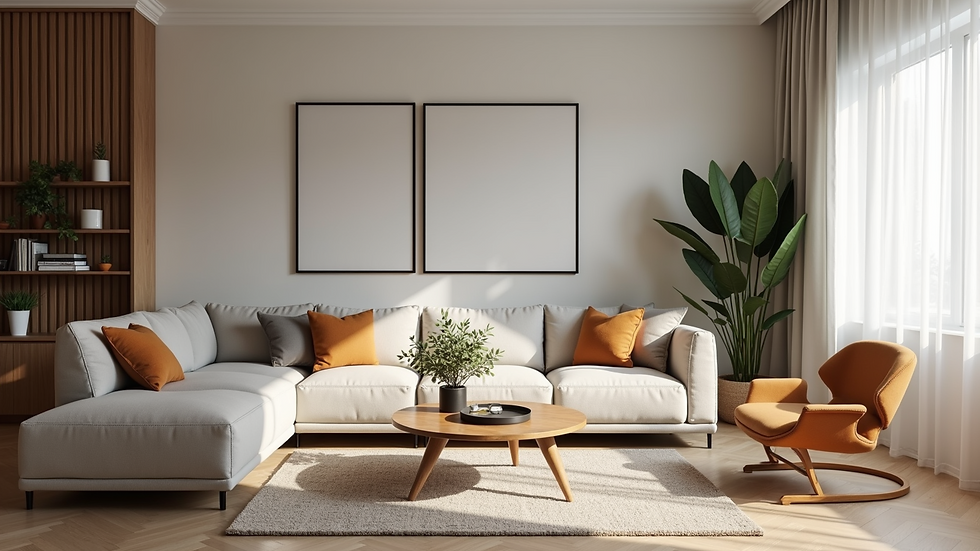
For instance, a modular sofa can be configured into various shapes. It can serve as a cozy corner for reading or be arranged for a larger gathering. This flexibility makes it a favorite among homeowners.
Artistic Bookshelves
Bookshelves have also seen a transformation. Designers are creating shelves that are not just functional but also artistic.
Consider a bookshelf that resembles a tree. Its branches can hold books, while the trunk serves as a sturdy base. This design adds a whimsical touch to any room while providing ample storage.
The Impact of Transformative Furniture on Living Spaces
Transformative furniture design has a profound impact on our living spaces. It encourages us to rethink how we use our homes.
Maximizing Space
In urban areas, space is often limited. Transformative furniture allows us to maximize the use of available space.
By choosing pieces that serve multiple functions, we can create a more open and inviting environment. For example, a bed that folds into the wall can free up floor space during the day.
Enhancing Aesthetics
Beyond functionality, transformative furniture enhances the overall aesthetics of a space.
A well-designed piece can serve as a focal point in a room. It can draw the eye and create a sense of harmony. This is especially important in smaller spaces where every piece counts.
The Future of Furniture Design
As we look to the future, the possibilities for transformative furniture design are endless.
Continued Innovation
Designers will continue to push the boundaries of what furniture can be. We can expect to see more innovative materials and designs that challenge traditional norms.
Embracing Technology
Technology will also play a significant role in the future of furniture design. Smart furniture will become more prevalent, making our lives easier and more connected.
Imagine a living room that adjusts its lighting and temperature based on your preferences. This level of integration will redefine how we interact with our spaces.
Final Thoughts on Transformative Furniture Design
Transformative furniture design is more than just a trend. It represents a shift in how we view and use furniture in our lives.
By blending art and functionality, designers are creating pieces that enhance our living spaces. They encourage us to think creatively about how we use our homes.
As we embrace this new era of furniture design, we can look forward to a future filled with innovative, beautiful, and functional pieces.

In this journey of transformation, we are not just changing our furniture; we are changing the way we live.

Comments