The Intersection of Fashion and Interior Design Excellence
- Alyazia Alblooshi
- Aug 29, 2025
- 5 min read

Fashion and interior design are two realms that often seem separate, yet they share a vibrant connection. Both fields are about aesthetics, creativity, and personal expression. They influence each other in many ways, creating a unique blend that can transform spaces and wardrobes alike.
In this blog post, we will explore how fashion and interior design intersect, the trends that unite them, and how you can incorporate elements from both into your life.
The Shared Language of Color and Texture
Color and texture are fundamental in both fashion and interior design. Designers in both fields use these elements to evoke emotions and create atmospheres.
Color Trends
Colors can set the mood of a room or an outfit. For instance, soft pastels can create a calming effect, while bold colors can energize a space or a look.
Pastels: Soft pinks, blues, and greens are popular in both fashion and home decor. They create a serene environment and are often used in spring collections.
Bold Colors: Bright yellows, deep blues, and vibrant reds can make a statement. These colors are often seen in summer fashion and can be used as accent walls in interior design.
Texture Play
Texture adds depth and interest. In fashion, this could mean mixing fabrics like silk, denim, and leather. In interior design, it might involve combining materials like wood, metal, and fabric.
Layering: Just as you might layer a turtleneck under a blazer, layering different textures in a room can create a cozy and inviting atmosphere.
Contrast: Pairing soft textiles with hard surfaces can create a dynamic look. Think of a plush velvet sofa against a sleek glass coffee table.
Patterns and Prints: A Harmonious Blend
Patterns and prints are another area where fashion and interior design converge. Both fields use them to express individuality and style.
Fashion Prints
From floral dresses to geometric patterns, prints can tell a story. They can reflect cultural influences, personal tastes, and even seasonal trends.
Florals: A timeless choice in both fashion and home decor, floral patterns can bring life to an outfit or a room.
Stripes: Classic and versatile, stripes can be used in clothing and as wallpaper or upholstery in interiors.
Interior Design Patterns
In interior design, patterns can be used to create focal points or to add visual interest.
Accent Walls: A patterned wallpaper can serve as a stunning backdrop, much like a statement piece of clothing.
Textiles: Throw pillows, rugs, and curtains can incorporate various patterns, allowing for creativity and personal expression.
The Influence of Fashion on Interior Design Trends
Fashion trends often spill over into interior design. Designers frequently draw inspiration from the latest runway looks to create home decor that feels fresh and modern.
Seasonal Trends
Each season brings new colors, patterns, and styles in fashion that can inspire interior design.
Spring/Summer: Light fabrics and bright colors in fashion can translate to airy spaces with light furnishings and vibrant decor.
Fall/Winter: Rich, warm tones and heavier fabrics in clothing can inspire cozy interiors with deep colors and layered textiles.
Iconic Collaborations
Some designers have successfully merged fashion and interior design. For example, brands like Gucci and Versace have launched home collections that reflect their signature styles.
Gucci Décor: This line features bold patterns and luxurious materials, allowing fans of the brand to bring a piece of fashion into their homes.
Versace Home: Known for its opulence, Versace's home collection includes striking designs that echo its fashion lines.
Creating a Cohesive Style
To blend fashion and interior design in your own life, consider how you can create a cohesive style that reflects your personality.
Personal Style Assessment
Start by assessing your personal style. What colors, patterns, and textures do you gravitate towards in your wardrobe?
Mood Board: Create a mood board with images of outfits and interiors that inspire you. This can help you visualize how to combine elements from both worlds.
Mixing and Matching
Don’t be afraid to mix and match. Just as you might pair a casual top with a formal skirt, you can combine different styles in your home.
Eclectic Decor: An eclectic approach can create a unique and personalized space. Combine vintage finds with modern pieces for a balanced look.
Fashion-Inspired Decor: Use fashion items as decor. A beautiful hat can be displayed on a wall, or a stylish handbag can serve as a decorative piece on a shelf.
Practical Tips for Blending Fashion and Interior Design
Here are some practical tips to help you merge fashion and interior design in your life:
1. Choose a Signature Color
Select a color that you love and use it as a base for both your wardrobe and your home. This creates a sense of harmony.
2. Invest in Statement Pieces
Whether it’s a bold dress or a striking piece of furniture, statement items can elevate your style.
3. Use Accessories Wisely
Accessories can tie together your fashion and interior design. A stylish throw can complement your outfit while also enhancing your living space.
4. Stay Updated on Trends
Follow fashion and interior design trends to see how they influence each other. This can inspire you to refresh your style regularly.
5. Personalize Your Space
Incorporate personal items that reflect your style. This could be a framed photo of you in a favorite outfit or a piece of art that resonates with your fashion sense.
The Future of Fashion and Interior Design
As we look to the future, the intersection of fashion and interior design will continue to evolve. Sustainability is becoming increasingly important in both fields.
Sustainable Practices
Many designers are now focusing on eco-friendly materials and practices. This trend is evident in both fashion and home decor.
Recycled Materials: Using recycled fabrics in clothing and upcycled materials in furniture can reduce waste and promote sustainability.
Timeless Designs: Investing in timeless pieces rather than fast fashion or fleeting trends can lead to a more sustainable lifestyle.
Technology Integration
Technology is also playing a role in how we experience fashion and interior design. Virtual reality and augmented reality are changing the way we shop and design spaces.
Virtual Try-Ons: Fashion retailers are using technology to allow customers to try on clothes virtually, making shopping more accessible.
Augmented Reality in Design: Home decor apps let users visualize how furniture will look in their space before making a purchase.
Embracing the Fusion of Style
The intersection of fashion and interior design is a rich and exciting space. By understanding how these two fields influence each other, you can create a lifestyle that reflects your unique style.
Whether you are dressing for an occasion or designing your living space, remember that both fashion and interior design are about expressing who you are.
So, embrace the fusion of style, and let your creativity shine through in every aspect of your life.
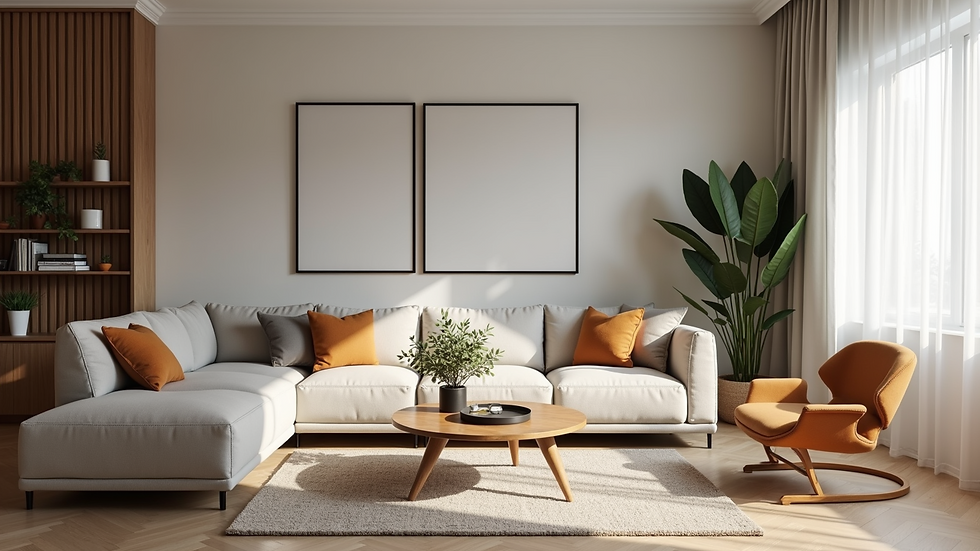
By merging the best of both worlds, you can create a harmonious environment that is not only beautiful but also a true reflection of your personality.


Comments